Haq Meher (Mahr) in Islam: Meaning, Types, and Importance
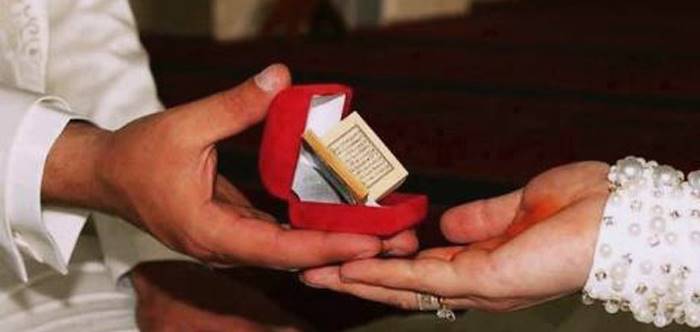
Haq Meher, also known as Mahr or Dower, is a fundamental concept in Islamic marriage that represents the financial right of the wife. It is an obligatory gift given by the husband to the wife as part of the Nikah, symbolizing respect, responsibility, and security. In Islamic teachings, Haq Meher is not merely a tradition but a clearly defined right that safeguards the dignity and independence of women.
The Significance of Haq Mehr in Islamic Marriage
Haq Mehr plays a multifaceted role in strengthening Islamic marriages. It serves as a pillar upon which a strong and fulfilling union is built:
- Strengthens the Marriage Bond: The exchange of Haq Mehr signifies a serious commitment from the husband. The tangible nature of the gift underscores the importance of the wife and her role within the marriage. This fosters a sense of security for the wife and lays a strong foundation for mutual respect and a lasting relationship.
- Financial Security: Haq Mehr empowers the wife by providing her with a form of financial security. She has complete control over the amount and can utilize it for her current needs, future aspirations, or even as a safety net in unforeseen circumstances. This financial security fosters independence and empowers the wife to contribute to the household as she deems fit.
In Islamic teachings, concepts such as nikah in Islam define the ethical and spiritual framework of marriage, including obligations like Haq Meher.
Types of Haq Meher in Islam
Islam offers flexibility in the form of Dowery. It can be tangible or intangible, as long as it holds value and is mutually agreed upon by the bride and groom. Here are some common types of Haq Mehr:
- Tangible: This encompasses a wide range of options, including gold, silver, cash, property, appliances, home accessories, or clothes. The couple can choose a single item or a combination of these to fulfill the dowry obligation.
Intangible: In some cases, the dowry may take the form of an act that benefits the wife. For instance, the groom may agree to memorize a specific portion of the Quran and teach it to the bride, fostering her religious knowledge and growth.
Ownership and Right of Haq Mehr
The wife has the sole ownership and right over her Haq Mehr. This right is firmly protected in Islamic law. No one, including her parents or husband, can claim possession or exert right over her Haq Mehr without her explicit consent. Any profit generated from the Haq Mehr, such as interest on cash, also belongs entirely to the wife. This absolute ownership empowers the wife and ensures her financial independence within the marriage.
Importance of Haq Mehr in Islam
Islam emphasizes the importance of respecting women and upholding their rights. Dower serves as a powerful testament to this principle. The Quran highlights the value and rights of women, and Dower is one way for husbands to demonstrate their love and respect. It’s more than just a financial provision; it’s a symbolic gesture that strengthens the marriage bond, empowers the wife, and reflects the Islamic values of respect and fairness. In Islamic teachings, financial rights such as Haq Meher are closely connected with the purposes of marriage in Islam, which emphasize dignity, responsibility, and harmony between spouses.
Haq Meher as a Moral and Financial Safeguard
In Islamic law, Haq Meher serves as a moral and financial safeguard for women, ensuring their autonomy and security within marriage. It reflects the broader Islamic framework of justice, responsibility, and mutual respect between spouses. Understanding the concept of Haq Meher helps strengthen awareness of marital rights and obligations from an Islamic perspective.