Difference Between Nikah and Engagement in Islam

Difference Between Nikah and Engagement

Difference Between Nikah and engagement are often confused with one another, especially in Muslim societies where cultural practices sometimes blur religious distinctions. However, in Islam, Nikah and engagement (Khitbah) are fundamentally different in terms of their religious, legal, and social implications. Understanding this difference is essential to avoid misunderstandings, emotional harm, and religious or legal complications.

The concept of Muslim Nikah is rooted in Islamic law and outlines the essential conditions, responsibilities, and ethical framework governing marriage.

This article explains the clear difference between Nikah and engagement in Islam, their meanings, consequences, and why the distinction matters.

What Is Nikah in Islam?

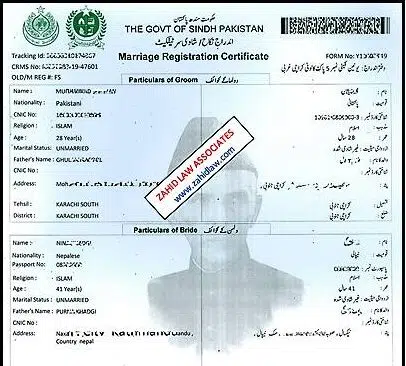
Nikah is the Islamically valid marriage contract that legally and religiously binds a man and a woman as husband and wife. It is not merely a social ceremony but a sacred contract recognized by Islamic law (Sharia).

Through Nikah, marital rights and responsibilities come into effect, including:

  • Lawful companionship
  • Mutual rights and obligations
  • Financial responsibilities
  • Social and moral accountability

Nikah requires clear consent from both parties, witnesses, and fulfillment of Islamic conditions. Once Nikah is performed, the couple is considered legally married, and ending this relationship requires a formal process such as divorce.

To understand the religious foundation of this contract, it is important to study Nikah in Islam as a sacred and regulated institution.

What Is Engagement (Khitbah) in Islam?

Engagement, known as Khitbah in Islamic terminology, is only a proposal or promise to marry. It does not create a marital relationship and has no legal or religious binding similar to Nikah.

In Islam:

  • Engagement does not make a couple halal for each other
  • No marital rights or duties apply
  • Physical or emotional boundaries must still be maintained
  • Either party may withdraw without religious consequences

Engagement is simply a preliminary understanding between families or individuals that marriage may take place in the future.

Key Differences Between Nikah and Engagement

The distinction between Nikah and engagement becomes clear when viewed from Islamic law and social consequences:

  • Religious Status
    Nikah is a religiously recognized marriage contract, while engagement is only a promise with no religious status.
  • Legal Binding
    Nikah creates legal obligations and rights; engagement does not.
  • Halal Relationship
    After Nikah, the relationship becomes lawful. Engagement does not permit marital interaction.
  • Ending the Relationship
    Ending Nikah requires divorce or legal separation, whereas engagement can be ended without legal or religious consequences.
  • Social and Moral Responsibility
    Nikah carries accountability under Islamic and social law; engagement does not.

Why Understanding This Difference Is Important

Confusing engagement with Nikah can lead to serious religious and emotional consequences. Many people mistakenly assume that engagement gives the same status as marriage, which is not correct in Islam.

Understanding this distinction helps:

  • Prevent unlawful relationships
  • Protect emotional and social well-being
  • Avoid legal complications
  • Preserve Islamic boundaries

This clarity also aligns with the purposes of marriage in Islam, which emphasize responsibility, stability, dignity, and moral conduct.

Conclusion

In Islam, Nikah and engagement are not the same. Nikah is a binding marriage contract with religious and legal consequences, while engagement is only an intention to marry with no binding effect. Recognizing this difference ensures that relationships remain within Islamic boundaries and that marriage is approached with seriousness, responsibility, and respect for religious principles.

Understanding these concepts correctly allows individuals and families to make informed decisions, avoid misunderstandings, and uphold the values that Islam places on marriage.

Similar Posts